If you spend a lot of time sitting at a desk or staring at your phone, chances are your posture isn’t as good as it could be. Maybe your shoulders round forward or your neck aches by the end of the day. You’re not alone. Poor posture is one of the most common issues people face today, and it can lead to pain, fatigue, and tension throughout the body.
One of the simplest ways to start improving your alignment is by using a back brace to help with posture. It can make a big difference when used correctly. Let’s talk about how it works, when to wear it, and how to use it safely.
What Does a Back Brace Do for Posture?
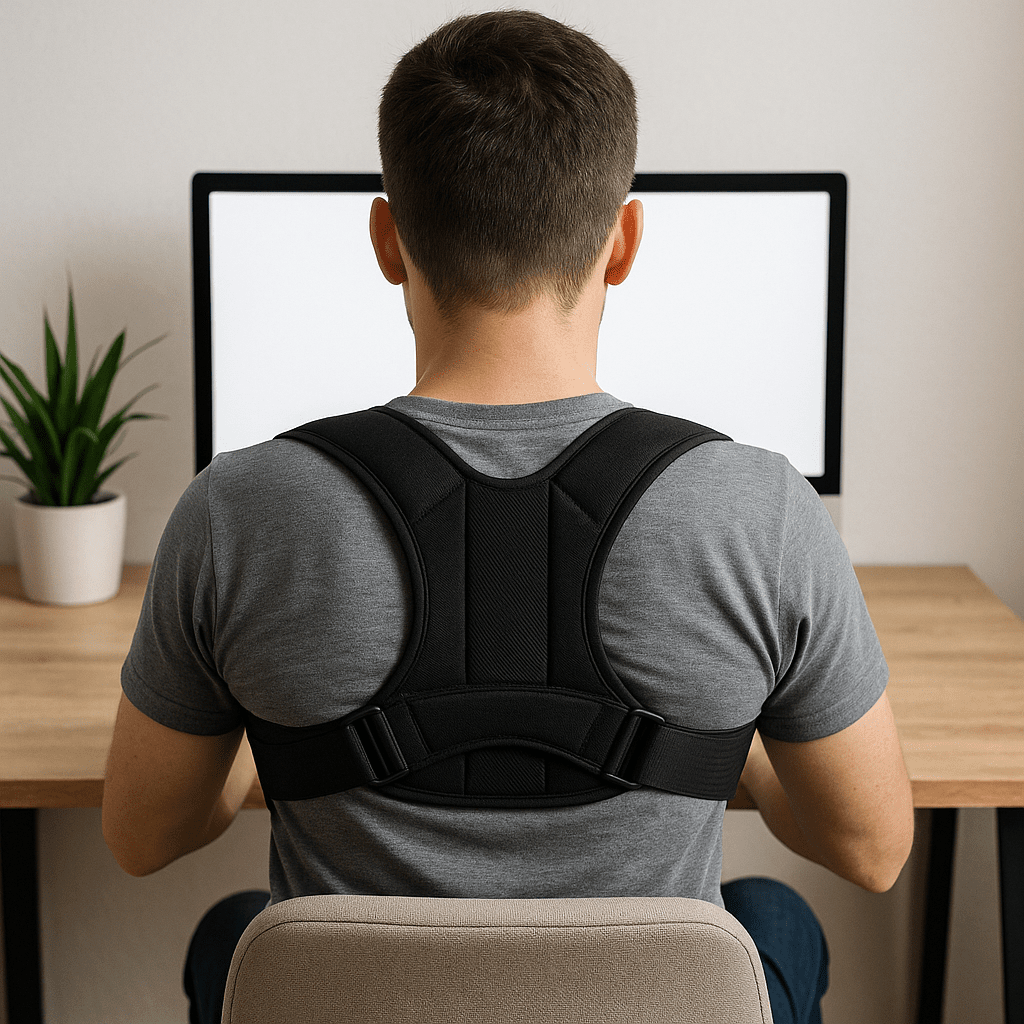
A back brace helps train your body to stay in a more natural position. Instead of slouching or letting your shoulders roll forward, the brace gently reminds your muscles to stay upright.
When worn properly, a back brace to help with posture can:
-
Support your spine and encourage better alignment
-
Reduce muscle fatigue and shoulder tension
-
Help retrain weak muscles over time
-
Increase awareness of your posture during daily activities
The goal isn’t to wear the brace forever. It’s meant to guide your body until maintaining good posture starts to feel natural again.
When Should You Use a Back Brace?
The best time to wear a posture brace is when your body needs extra support or a reminder to sit or stand tall.
Here are a few good times to use one:
-
While working at a computer
-
When driving long distances
-
During household chores or standing tasks
-
For light exercise or physical activity (if the brace is designed for movement)
-
After an injury or surgery, with your doctor’s approval
Start slowly. Many people begin with 30 to 60 minutes a day, then gradually increase up to a few hours. You don’t need to wear it all day, and you shouldn’t. Overusing a brace can make your muscles too dependent on it.
How to Choose the Best Back Brace to Help with Posture
There are several types of posture braces, and the right one depends on your specific needs and comfort level.
-
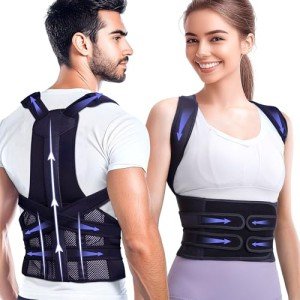
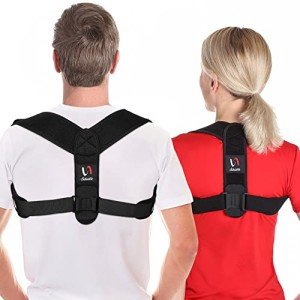
Upper Back Braces
These focus on pulling your shoulders back to correct rounding and slouching. -
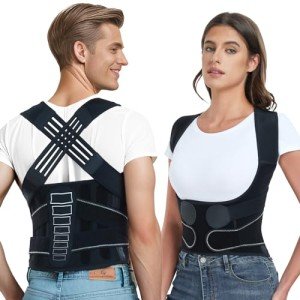
Full Back Posture Braces
These support both the upper and lower back for full spinal alignment. -
Adjustable Compression Braces
These are great for people who want flexible, customizable tension. -
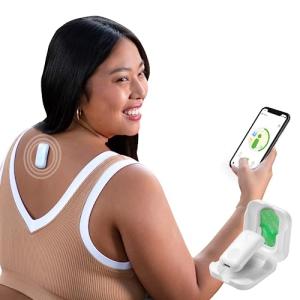
Posture Shirts or Smart Braces
These are made from stretchy materials and may use gentle resistance or sensors to remind you when you slouch.
Look for a brace that’s breathable, adjustable, and comfortable enough to wear for at least an hour at a time. If it pinches or feels too tight, it’s not the right fit.
Safety Tips for Wearing a Posture Brace
Using a back brace safely is just as important as choosing the right one. Here are some quick tips:
-
Don’t wear it all day. Use it as a training tool, not a permanent support.
-
Make sure it fits snugly but not too tight. You should be able to breathe comfortably.
-
Keep moving while wearing it. The goal is to build strength, not stiffness.
-
Combine it with light exercises to strengthen your core and back muscles.
-
If you experience pain or numbness, stop using it and talk to a healthcare professional.
Simple Ways to Improve Your Posture Naturally
A back brace to help with posture works best when it’s part of a bigger plan to improve your alignment. Try adding these habits to your daily routine:
-
Stretch your chest and shoulder muscles regularly.
-
Keep your computer screen at eye level to avoid leaning forward.
-
Take breaks from sitting every 30 to 60 minutes.
-
Strengthen your core with simple exercises like planks or bridges.
Even small adjustments can make a big difference over time.
The Bottom Line
A back brace to help with posture can be a great way to kickstart better habits and relieve tension. It gives your body the reminder it needs to stay upright and balanced. Just remember that it’s a helper, not a cure-all. The best results come from combining the brace with stretching, movement, and mindful posture awareness.
If you’ve been struggling with slouching or back pain, the right brace might be exactly what you need to start standing taller and feeling more confident every day.