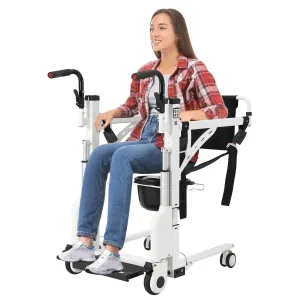
Garvee Hoyer Lift for Home Use
Electric and Hydraulic Lift For Patient Transfer
Product information
$1,099.99 $769.99
Product Review Score
4.93 out of 5 stars
88 reviewsProduct links
Caring for someone with limited mobility often comes with a quiet, growing fear: transfers that used to be manageable suddenly feel risky. Lifting from bed to wheelchair. Moving from chair to commode. Helping someone stand safely without hurting them—or yourself.
This is exactly where a Hoyer lift for home use can make a life-changing difference.
In this guide, we’ll explain what a Hoyer lift is, how a portable Hoyer lift works, and why more families are choosing a Hoyer lift for elderly care at home instead of continuing unsafe manual transfers.
What Is a Hoyer Lift?
A Hoyer lift is a mobility aid designed to safely lift and transfer a person who cannot move independently. It uses a secure sling and a lifting mechanism to raise and move someone smoothly between surfaces—such as a bed, wheelchair, chair, or commode—without manual lifting.
Originally developed for medical settings, modern designs now make it possible to use a Hoyer lift at home, offering caregivers and patients a safer, more dignified alternative to physical lifting.
In simple terms:
A Hoyer lift replaces risky manual lifting with controlled, supported movement.
Why Manual Transfers Become Unsafe Over Time
Many caregivers begin by lifting or supporting their loved one manually. But as mobility changes, this approach becomes increasingly dangerous.
Common risks include:
-
Back and shoulder injuries for caregivers
-
Falls or near-falls during transfers
-
Fear and anxiety for the person being moved
-
Loss of dignity and comfort
A Hoyer lift for home use is designed to reduce these risks by providing stability, control, and predictable movement—every time.
How a Portable Hoyer Lift Works at Home
A portable Hoyer lift is specifically designed for everyday home environments, not hospitals. It’s built to fit through doorways, maneuver around furniture, and store when not in use.
A typical transfer looks like this:
-
The lift is positioned near the bed or chair
-
A supportive sling is placed securely around the person
-
The lift gently raises them in a controlled motion
-
They are moved and lowered safely into the new position
No wrestling. No sudden movements. No guesswork.
This is why many families search specifically for a Hoyer lift portable enough for home use—they want safety without complexity.
Who Benefits Most from a Hoyer Lift for Home Use?
Family Caregivers
For adult children or spouses providing care, a Hoyer lift helps:
-
Reduce physical strain and injury risk
-
Make transfers possible even when assisting alone
-
Restore confidence and peace of mind
Using a portable Hoyer lift doesn’t mean you’re giving up—it means you’re choosing a safer way forward.
Recovery Patients
For people recovering from surgery, stroke, or injury:
-
Transfers feel calmer and more secure
-
There’s less fear of falling or being dropped
-
Movement feels respectful and dignified
A Hoyer lift for home use supports recovery without making someone feel helpless.
Elderly Individuals
A Hoyer lift for elderly care helps maintain dignity and comfort as mobility changes. Instead of risky lifting or hurried movements, transfers become slow, steady, and predictable—something that matters deeply for confidence and emotional well-being.
Is a Hoyer Lift Too Complicated for Home Use?
This is one of the most common concerns—and a reasonable one.
Modern portable Hoyer lifts are designed with home caregivers in mind. They use straightforward controls, clear positioning, and simple steps that quickly become routine. Many families find that once they’ve used the lift a few times, transfers actually feel easier and less stressful than before.
The key is choosing a Hoyer lift designed specifically for home use, not one intended only for clinical settings.
Will a Portable Hoyer Lift Fit in My Home?
Another common worry is space.
A Hoyer lift portable design typically accommodates:
-
Standard doorways
-
Bedrooms and living rooms
-
Normal home layouts
Before purchasing, it’s helpful to check doorway width, turning space, and storage needs—but these lifts are built with real homes in mind.
Why a Hoyer Lift Is Safer Than Manual Transfers
When comparing options, the difference is clear:
Manual lifting
-
Relies on strength and balance
-
Increases injury risk
-
Becomes harder over time
Hoyer lift for home use
-
Provides stable, supported transfers
-
Reduces strain for caregivers
-
Creates a calmer experience for everyone
For many families, the shift to a portable Hoyer lift isn’t just about convenience—it’s about preventing injuries and preserving quality of life.
Choosing the Right Hoyer Lift for Elderly Home Care
When selecting a Hoyer lift for elderly or home use, look for:
-
Stability and weight capacity suitable for daily use
-
Smooth, controlled lifting
-
Compatibility with home spaces
-
Ease of operation for caregivers
The right lift should feel like support—not a burden.
A Safer, More Confident Way Forward
If transfers have started to feel risky, stressful, or exhausting, that’s not a failure—it’s a sign that circumstances have changed. A Hoyer lift for home use offers a way to adapt safely, with dignity and confidence.
Whether you’re caring for an aging parent, supporting a spouse, or recovering yourself, a portable Hoyer lift can transform daily transfers from moments of fear into moments of calm.
Safer movement. Greater peace of mind. And a home care routine that feels sustainable again.