If you are dealing with carpal tunnel syndrome, you have probably seen the terms wrist splint and wrist brace used almost interchangeably. They are related, but they are not the same thing. Understanding the difference matters, especially if you are preparing for surgery, recovering after it, or trying to avoid surgery altogether.
This guide breaks down how wrist splints and wrist braces differ, how each one works, and which option is usually better depending on your stage of carpal tunnel treatment, including use as a splint for carpal tunnel release recovery.
Wrist Splint vs Wrist Brace at a Glance
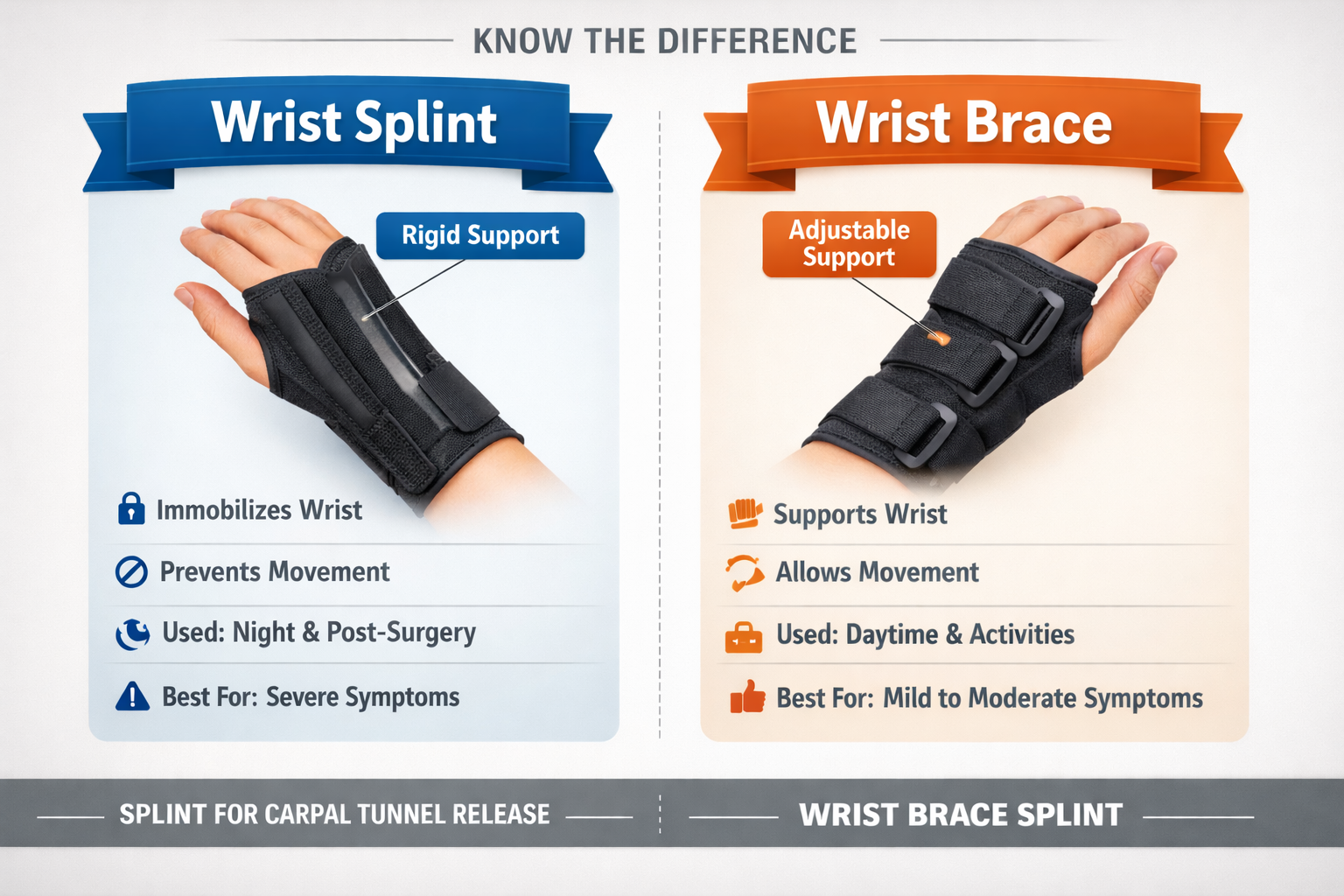
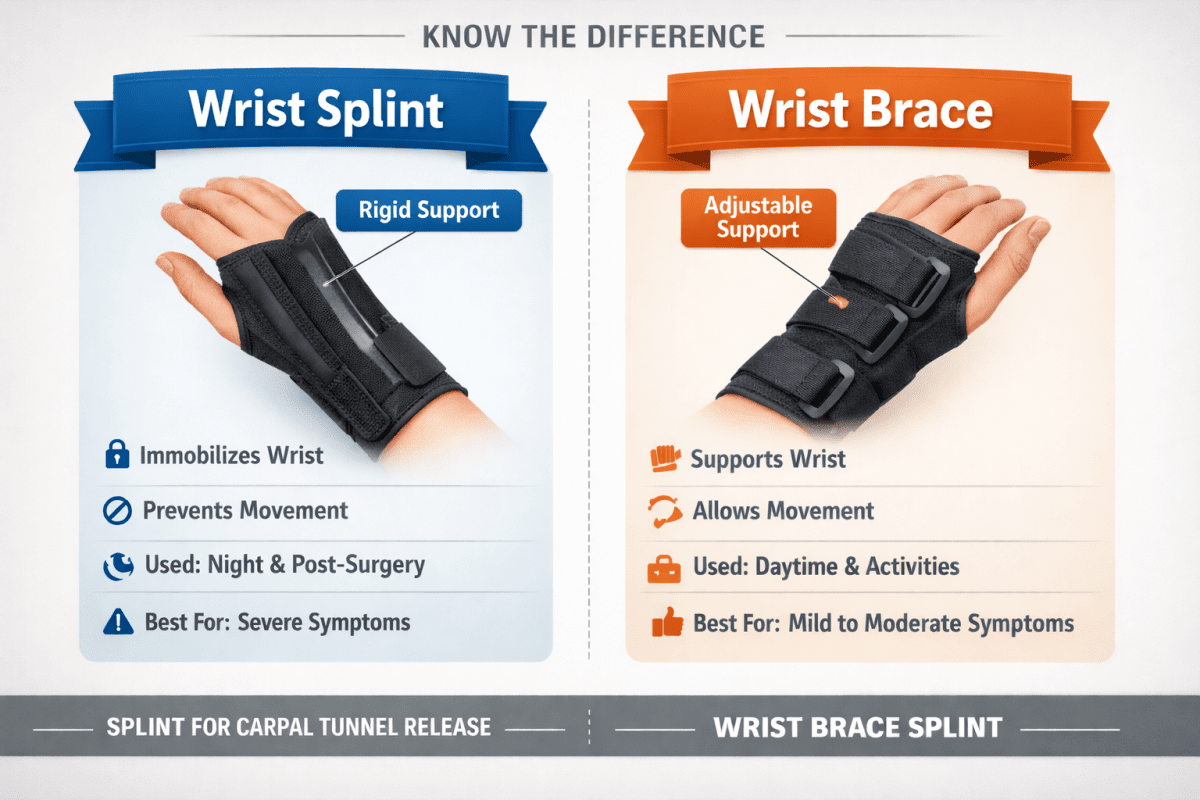
| Feature | Wrist Splint | Wrist Brace / Wrist Brace Splint |
|---|---|---|
| Primary purpose | Immobilization | Support with some flexibility |
| Wrist movement | Very limited or none | Limited but adjustable |
| Typical wear time | Night or post-surgery | Daytime, work, or activity |
| Best for | Severe symptoms, sleep, post-op recovery | Mild to moderate symptoms, daily use |
| Comfort level | Less flexible, more rigid | More comfortable for extended wear |
What Is a Wrist Splint?
A wrist splint is designed to hold the wrist in a neutral position and prevent movement. Most splints include a rigid metal or plastic stay that keeps the wrist from bending forward or backward.
Key characteristics of a wrist splint
-
Rigid or semi-rigid construction
-
Holds the wrist straight
-
Limits motion almost completely
-
Often recommended for nighttime use
Because carpal tunnel symptoms often worsen at night due to wrist flexion during sleep, splints are commonly prescribed as night splints.
Wrist splints after surgery
After carpal tunnel surgery, doctors often recommend a splint for carpal tunnel release to:
-
Protect the surgical site
-
Reduce strain on healing tissues
-
Prevent accidental bending that could delay recovery
In this context, immobilization is a benefit, not a drawback.
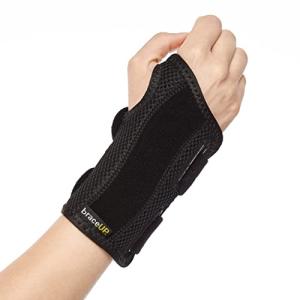
BraceUP Wrist Splint for Carpal Tunnel Right Left Hand Wrist Support for Women and Men, Daytime and Night Use, Wrist Brace for Pain Relief and Arthritis - Right Wrist (S/M)
Product information
£7.99
Product Review Score
4.86 out of 5 stars
204 reviewsProduct links
What Is a Wrist Brace?
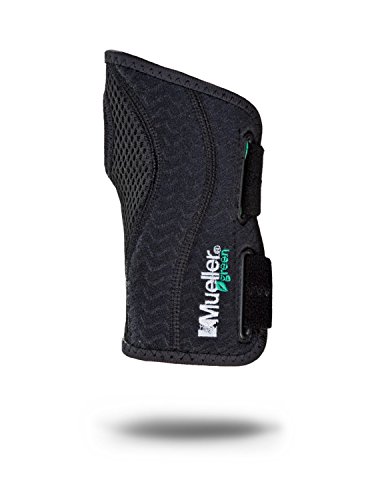
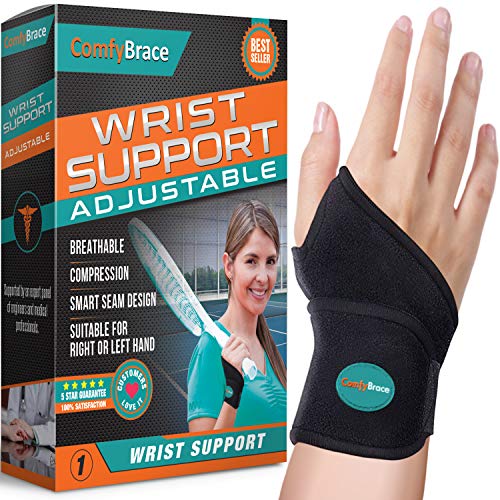
A wrist brace (sometimes called a wrist brace splint) provides support rather than total immobilization. It usually combines elastic or neoprene materials with adjustable straps and may include a removable stay.
Key characteristics of a wrist brace
-
Adjustable compression
-
Allows limited wrist movement
-
Designed for longer daytime wear
-
Often thinner and more flexible
A wrist brace splint is typically chosen when symptoms are mild to moderate and when you need hand function for work, typing, or daily tasks.

Wrist Brace for Carpal Tunnel Relief - Left
Find comfort and support for your wrist with this easy-to-use brace designed for carpal tunnel relief
Product information
£15.99
Product Review Score
4.41 out of 5 stars
153 reviewsProduct links
Which One Is Better for Carpal Tunnel?
The better option depends on when and how you need support.
Use a wrist splint if:
-
Your symptoms are severe
-
Pain or numbness wakes you up at night
-
You are recovering from surgery
-
Your doctor prescribed a splint for carpal tunnel release
Splints are about protection and positioning, not mobility.
Use a wrist brace if:
-
Symptoms are mild to moderate
-
You need support while working or typing
-
You want compression plus flexibility
-
You cannot function with a rigid splint
Braces focus on support and comfort during activity.
Can You Use Both?
Yes, and many people do.
A common approach is:
-
Wrist splint at night to prevent harmful positioning
-
Wrist brace during the day for support without stopping normal use
This combination often provides better overall symptom control than relying on just one option.
Common Mistakes to Avoid
-
Choosing a brace when you actually need immobilization
-
Wearing a rigid splint all day when flexibility is required
-
Ignoring fit and strap adjustment, which can worsen symptoms
-
Assuming “tighter is better” with compression
The wrong support can increase pressure in the carpal tunnel instead of relieving it.
Final Thoughts
Wrist splints and wrist brace splints serve different roles in carpal tunnel care. A splint is best when immobilization is critical, such as at night or after surgery. A brace is better when you need ongoing support while staying active.
If you are unsure which is right for you, especially after surgery or if symptoms are worsening, consult your healthcare provider before choosing.