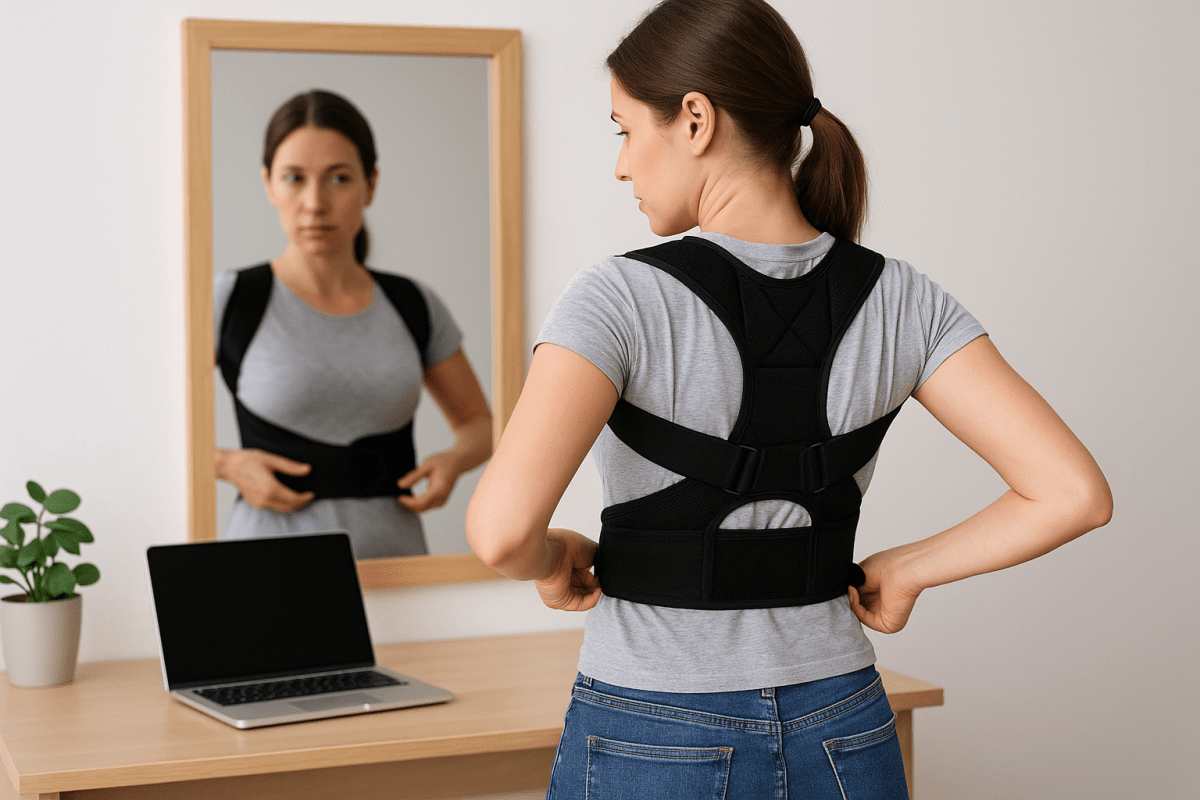
If you’ve ever noticed yourself hunching over your laptop or slouching while standing, you’re not alone. Poor posture is one of the most common modern habits, especially for people who work at a desk or spend long hours on their phones. Luckily, a back brace to correct bad posture can be a great way to help retrain your body and ease the strain on your spine.
But how do you use one correctly without making things worse? This guide will walk you through how to use a back brace for posture safely and effectively so you can start standing taller and feeling better.
Why Use a Back Brace for Posture Correction?
A posture brace isn’t a magic fix, but it’s a great tool to help guide your muscles and spine back into alignment. When used properly, a back brace to correct bad posture helps:
-
Remind your body to sit or stand upright
-
Reduce strain on your neck, shoulders, and lower back
-
Strengthen postural awareness over time
-
Support your body as you build better habits
Think of it as a supportive reminder that trains your body to find its natural alignment again, rather than something you rely on permanently.
How to Use a Back Brace for Posture the Right Way
The key to getting results is consistency and moderation. Follow these steps to get the most out of your brace safely.
1. Choose the Right Type of Brace
Different posture braces are designed for different needs.
-
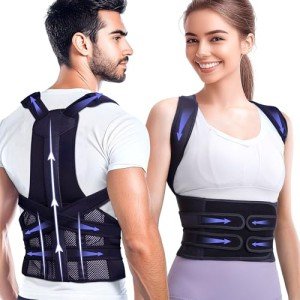
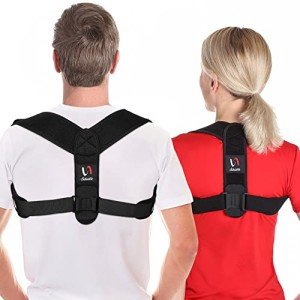
Upper back braces help keep your shoulders from rounding forward.
-
Full back braces provide additional lower back support.
-
Adjustable braces let you customize tightness and comfort.
If you’re unsure which to choose, start with a lightweight, adjustable model that feels comfortable enough to wear daily.
2. Make Sure It Fits Correctly
Your brace should feel snug but not restrictive. If it’s too tight, it can limit circulation or cause discomfort. If it’s too loose, it won’t be effective.
When properly fitted, you should be able to move your arms freely while feeling a gentle pull that encourages upright posture.
3. Start Slowly
When learning how to use a back brace for posture, resist the urge to wear it all day. Start with short periods, such as 30 minutes to an hour, and gradually increase to 2–3 hours a day as your muscles adapt.
Your goal is to train your muscles, not replace their function. Wearing the brace too long can make your body dependent on it.
4. Use It During the Right Activities
A back brace to correct bad posture is most useful during activities where you tend to slouch, such as:
-
Working at a computer
-
Driving or commuting
-
Doing household chores
-
Standing for long periods
You can also wear it while doing light exercises or stretches, but avoid using it during heavy lifting unless it’s designed for that purpose.
5. Keep Your Muscles Engaged
Even with a brace on, focus on engaging your core muscles. The brace is there to support you, not do the work for you.
Try to consciously straighten your back, pull your shoulders down and back, and keep your chin level. This helps reinforce good habits that stick even when you’re not wearing the brace.
6. Pair It with Posture Exercises
A back brace to correct bad posture works best when combined with simple strengthening and stretching exercises. Try:
-
Shoulder blade squeezes – Pull your shoulder blades together for 10 seconds and release.
-
Wall angels – Stand against a wall and slowly raise and lower your arms like making a snow angel.
-
Planks or bridges – Build core strength to support your spine naturally.
A strong core and flexible back muscles make good posture much easier to maintain.
7. Take Regular Breaks
If you sit for long periods, remember to take short breaks to stand up and move. Even with a brace, staying in one position too long can cause stiffness or fatigue. Try setting a reminder every 30–60 minutes to stretch and reset your posture.
Safety Tips to Keep in Mind
Here are a few important things to remember when learning how to use a back brace for posture:
-
Don’t wear it 24/7. Limit use to a few hours per day.
-
Avoid sleeping in it unless directed by a healthcare professional.
-
Check your skin for irritation, especially during the first week.
-
If you experience pain or tingling, stop wearing it and talk to a doctor or physical therapist.
Used correctly, a posture brace should feel supportive and comfortable, never painful.
Building Long-Term Posture Habits
A back brace to correct bad posture is most effective when it’s part of a larger plan to improve your posture naturally. Combine it with:
-
Ergonomic workspace setup
-
Regular stretching breaks
-
Strength training for your back and core
-
Mindful posture checks throughout the day
Over time, you’ll find yourself standing and sitting taller without even thinking about it.
The Bottom Line
Knowing how to use a back brace for posture safely can make a real difference in your comfort, confidence, and overall well-being. It’s not about forcing your body into position but gently reminding it how it’s meant to move.
With the right brace, consistent use, and a little patience, you’ll train your muscles to hold proper alignment naturally. Before you know it, good posture will feel like second nature.
If you haven’t already, check out our main guide, Best Back Brace to Help with Posture: What Works, When to Use It, and Safety Tips, for detailed recommendations and safety advice.