Wrist pain can make even simple tasks—typing, lifting, cooking—more difficult. Whether your discomfort comes from carpal tunnel syndrome, tendonitis, sprains, overuse, or arthritis, using wrist brace support correctly can dramatically reduce strain and help you heal faster.
But a brace only works if you’re wearing it the right way. Below is a complete guide on how to choose, fit, and wear a wrist brace for maximum comfort and support.
Why Wrist Brace Support Helps
Proper wrist brace support works by stabilizing the joint and limiting movements that aggravate symptoms. A good brace:
-
Reduces inflammation by keeping the wrist in a neutral position
-
Minimizes pressure on the median nerve (for carpal tunnel sufferers)
-
Prevents overextension during repetitive tasks
-
Provides warmth and compression to encourage healing
-
Reduces pain during activity and at night
When worn properly, a wrist brace can be one of the simplest and most effective tools for reducing chronic or acute wrist pain.
How to Choose the Right Wrist Brace
Before you can wear it properly, you need the right type of brace. Consider:
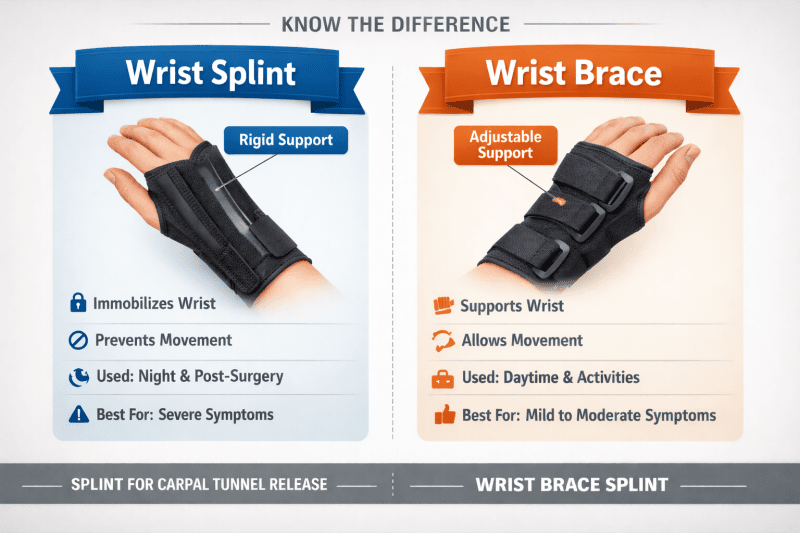
1. Rigid vs. Flexible
-
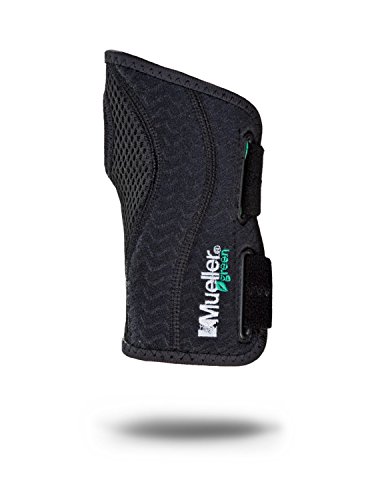
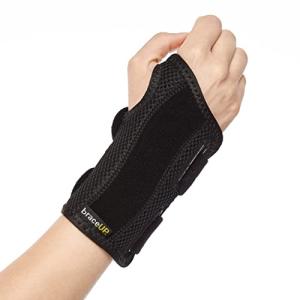
Rigid wrist braces include metal or plastic splints. They hold the wrist firmly in place—ideal for carpal tunnel, sprains, or recovery after injury.
-
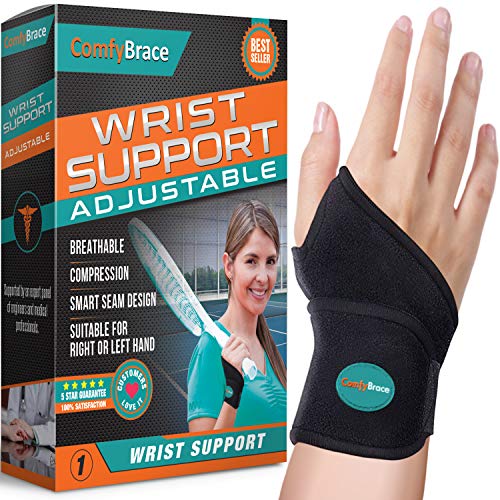
Flexible wrist supports provide mild compression and are great for general soreness or sports support.
2. Fit and Size
A brace that's too tight reduces circulation. Too loose, and you won’t get proper support. Most braces come in sizes or adjustable Velcro straps—make sure it fits snugly but comfortably.
3. Right Hand vs. Left Hand
Some braces are universal, but many are hand-specific. Double-check labeling before buying.
How to Wear Wrist Brace Support for Maximum Relief
1. Start with a Neutral Wrist Position
Hold your wrist as if you’re shaking someone’s hand—not bent up or down. This neutral angle reduces the most strain.
Before fastening your brace, position your wrist this way so the brace forms correctly around your natural alignment.
2. Slide Your Hand Fully Into the Brace
Make sure:
-
The palm padding sits comfortably under your hand
-
The splint (if included) runs along the underside of your wrist
-
Your thumb fits securely into the brace’s thumb hole without rubbing or pinching
Many people wear their brace slightly shifted—this prevents optimal support.
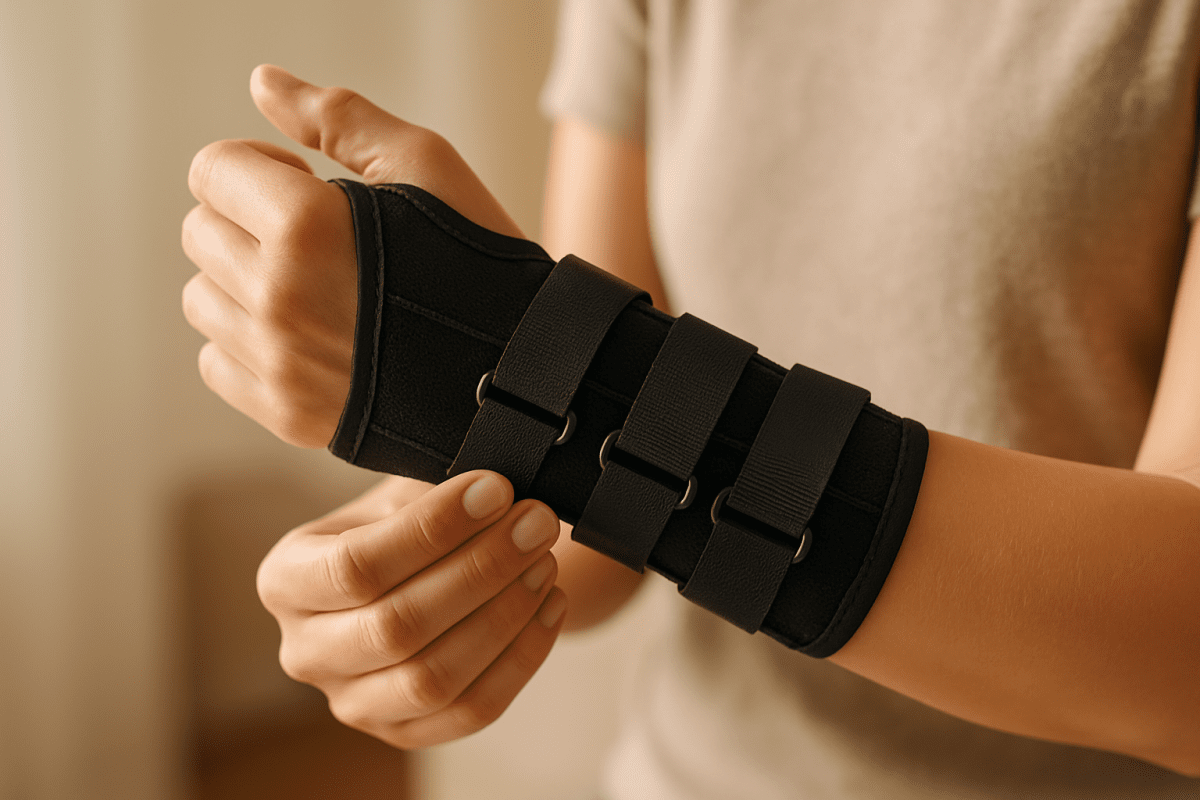
3. Tighten the Straps from Bottom to Top
Secure the brace starting closest to the wrist and moving upward. This ensures:
-
Even compression
-
Better blood flow
-
Proper alignment of the brace’s structure
Each strap should be snug but never painful. If your fingers tingle or change color, loosen the brace immediately.
4. Check That You Can Still Move Your Fingers
Good wrist brace support allows:
-
Normal finger movement
-
Grip ability
-
Typing and light activities
A brace that restricts finger motion too much may be sized incorrectly or fastened too tightly.
5. Wear It During Trigger Activities
Wrist braces work best when worn at key times:
-
During typing or computer work
-
While doing repetitive motions
-
Lifting items
-
Exercising
-
Crafting, cooking, or cleaning
If your pain worsens during a particular activity, wear your brace proactively.
6. Use It While Sleeping (If Recommended)
Many wrist issues—especially carpal tunnel—worsen at night because people sleep with their wrists bent.
Wearing wrist brace support while sleeping keeps your wrist neutral for hours at a time, offering significant relief.
If nighttime wear feels uncomfortable, try a softer brace.
7. Give Your Skin Breaks
To prevent irritation:
-
Remove the brace at least once every few hours
-
Let your skin breathe
-
Clean the brace regularly, especially fabric liners
If the brace causes redness, consider adjusting the fit or switching to a more breathable style.
Common Mistakes When Wearing Wrist Braces
Avoid these errors to get the most relief:
-
Wearing the brace too loosely — no real support or alignment
-
Wearing it too tightly — can worsen pain through restricted blood flow
-
Not keeping the wrist neutral — defeats the purpose of support
-
Ignoring pain — the brace may be the wrong type or size
-
Wearing the wrong brace for the wrong issue
If pain worsens while wearing a brace, stop and reassess your fit or consult a medical provider.
When to See a Doctor
A wrist brace is helpful, but it’s not a cure-all. Seek medical care if you experience:
-
Persistent swelling
-
Numbness or tingling that doesn't improve
-
Severe weakness or loss of grip strength
-
Pain lasting more than a few weeks
-
A suspected fracture or serious sprain
Wrist braces are most effective when used alongside proper diagnosis, stretching, ergonomic adjustments, and rest.
Proper wrist brace support can significantly reduce pain, inflammation, and strain—but only when worn correctly. By choosing the right brace, securing it properly, and using it during high-impact activities and sleep, you can get the maximum relief and help your wrist heal faster.