Do Posture Correctors Really Work? What the Research Says
If you’ve ever seen a posture corrector advertised online, you’ve probably wondered, “Do posture correctors really work?” With so many products claiming to fix your posture and ease back pain, it’s smart to ask what’s fact and what’s hype.
The truth is, posture correctors can help — but they’re not magic. Used the right way, they can train your body to adopt better habits and relieve tension caused by slouching. Let’s look at how they work, what the research says, and how to get the best results.
What Are Posture Correctors and How Do They Work?
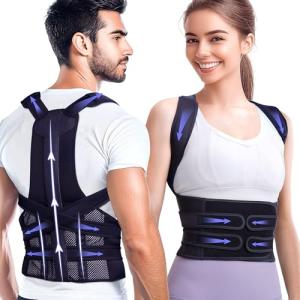
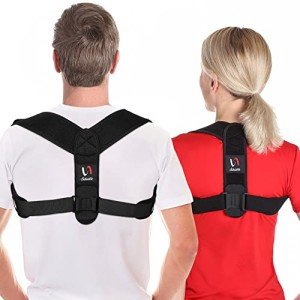
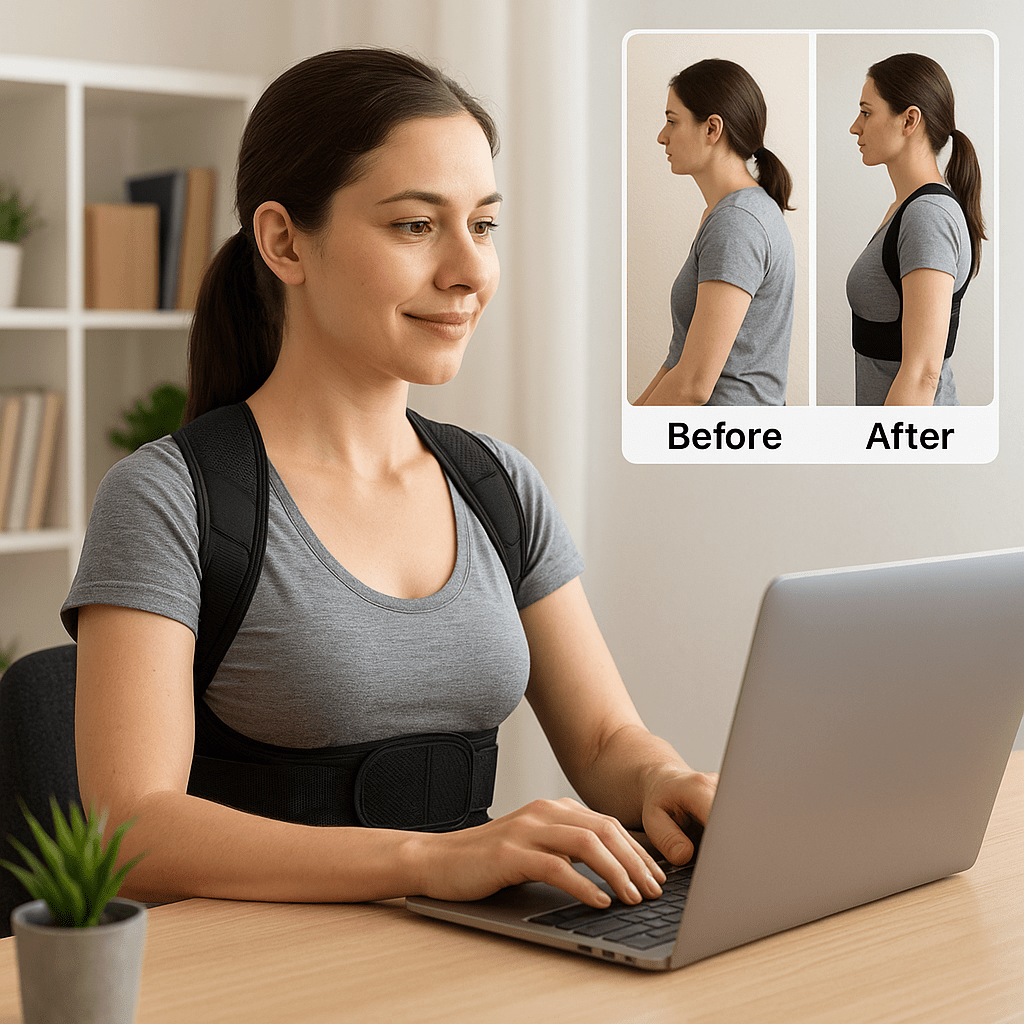
A posture corrector (sometimes called a posture brace) is a wearable support designed to help align your shoulders and spine. Most are lightweight and adjustable, fitting under or over your clothing.
Rather than forcing you to sit up straight, a posture corrector provides gentle resistance when you slouch. This gives your muscles feedback — a subtle reminder to adjust your position and maintain better alignment.
Over time, this awareness helps retrain your body so you naturally sit and stand taller, even when you’re not wearing the brace.
What Research Says About Posture Correctors
So, do posture correctors really work according to science?
Several studies and clinical trials suggest that they do — when used properly and combined with good habits. Here’s what the research has found:
1. They Improve Postural Awareness
One of the biggest benefits shown in posture corrector research is improved body awareness. Users become more conscious of their alignment and slouch less, even after removing the brace. It acts as a training tool for your muscles and mind.
2. They Can Reduce Pain and Fatigue
People who wear posture braces often report less shoulder, neck, and upper back discomfort. By supporting alignment, the brace reduces muscle strain that builds up from poor posture.
3. They Don’t Weaken Muscles When Used Moderately
A common myth is that posture braces make your muscles “lazy.” In reality, research shows that using a brace for short, consistent periods each day (around 1–3 hours) helps strengthen posture awareness without causing dependency.
4. They Work Best Alongside Exercise
The best results come from pairing a posture corrector with stretching, mobility work, and core-strengthening exercises. Together, they reinforce the muscle patterns needed to maintain good posture long-term.
In short, posture correctors do work — but they’re most effective when used as a tool, not a cure-all.
Who Can Benefit from a Posture Corrector?
If your posture issues come from sitting too long, slouching at a desk, or spending hours on your phone, a posture corrector can help you reset those habits. It’s especially useful for:
-
Office workers or remote professionals
-
Students or gamers who sit for long periods
-
Drivers or travelers who stay seated for hours
-
People experiencing mild upper back or shoulder discomfort
For most people, posture problems aren’t caused by serious structural issues — just muscle imbalance and habit. A posture brace can help guide your body back into alignment while you strengthen your muscles.
When a Posture Corrector May Not Be Enough
While posture braces can make a noticeable difference, they aren’t a replacement for medical care. If you have scoliosis, chronic pain, or a spinal condition, talk to your doctor or physical therapist first.
They may recommend specific stretches, physical therapy, or a medical-grade brace suited to your condition. A consumer-grade posture corrector works best for mild to moderate alignment issues caused by lifestyle, not structural damage.
Tips for Getting the Best Results
Here’s how to get the most out of your posture corrector safely and effectively:
-
Start Slow
Wear it for 30 minutes to an hour a day at first, then gradually increase as your muscles adjust. -
Stay Active While Wearing It
Keep your core engaged and your shoulders relaxed. A posture brace should encourage movement, not restrict it. -
Pair It with Strengthening Exercises
Focus on your core, back, and shoulders. Simple moves like planks, rows, and stretches can support long-term improvement. -
Use It Consistently
Like any training tool, you’ll see the best posture corrector results with regular use. Consistency builds new muscle memory.
So, Do Posture Correctors Really Work?
Yes — posture correctors can work very well when used correctly and consistently. They help relieve tension, build postural awareness, and support your journey toward better alignment.
Think of them as a personal reminder to sit and stand tall, not a permanent solution. Combine your brace with mindful movement, regular stretching, and good ergonomics for lasting results.
If you’re ready to find one that fits your lifestyle, check out our full guide:
👉 Best Back Brace to Help with Posture: What Works, When to Use It, and Safety Tips