Aching neck? Tight back? Slouching shoulders? These aren’t just annoyances—they're signals your body is ready for a reset. And with the right plan, that reset can start in minutes. Modern lifestyles make poor posture incredibly common—but also highly fixable. A structured posture improvement plan combined with the right exercise for posture improvement can dramatically change the way you sit, stand, and move.
This daily guide walks you through a complete, actionable plan to improve posture naturally—using short routines, strengthening exercises, posture-correcting tools, and back brace guidance. Whether you want to reduce pain, stand taller, or feel more confident, this plan will help you move toward long-term results.
Why a Posture Improvement Plan Works
Your posture is directly tied to your muscle patterns, nervous system habits, work environment, and movement history. Over time, slouching, looking down at your phone, or sitting in unsupportive chairs trains the body into misalignment.
A structured posture improvement plan works because it:
-
Rebuilds weak muscles
-
Stretches areas that pull you forward
-
Re-teaches your body where proper alignment is
-
Uses short, frequent reminders
-
Includes exercise for posture improvement that targets the core and upper back
-
Helps you incorporate corrective tools like posture back braces
The goal isn’t perfection—it’s progressive improvement you can feel.
The Daily Posture Improvement Plan
Below is the complete morning-to-night posture routine that blends mobility, strength work, stretching, and back brace alignment. Each section includes scientifically supported exercise for posture improvement and practical habits to reinforce progress.
🌅 Morning Routine: Start the Day Aligned
1. Gentle Mobility Warm-Up (3 minutes)
Morning stiffness pulls posture out of alignment fast. This warm-up moves the spine through natural ranges of motion.
Do each for 10–15 seconds:
This prepares your postural muscles for the day.
2. Doorway Chest Stretch (30–60 seconds)
Most people develop tight pectoral muscles from sitting, slouching, and screen use. Stretching them opens the chest and helps the shoulders fall naturally back.
3. Back Brace Training (15–30 minutes)
Wearing a posture brace briefly in the morning helps train the body to recognize proper alignment early in the day.
Recommended:
⭐ ComfyBrace Posture Corrector
Breathable, adjustable, and excellent for gently guiding shoulder alignment without feeling restrictive.
Important:
A brace isn't meant for all-day wear. It’s a posture trainer—not a substitute for strong muscles.
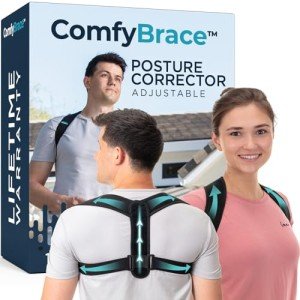
ComfyBrace Adjustable Posture Corrector for Pain Relief
Say goodbye to slouching and hello to all-day comfort with this easy-to-use posture corrector
Product information
$29.97 $23.97
Product Review Score
4.83 out of 5 stars
211 reviewsProduct links
💻 Mid-Day Routine: Strengthen & Correct
Mid-day is where most people’s posture collapses, especially during computer work. This section focuses on exercise for posture improvement to strengthen the muscles that hold your frame upright.
4. The Three Most Effective Exercises for Posture Improvement (6–8 minutes)
These exercises target the core, upper back, and shoulder stabilizers—the essential muscles for good posture.
A. Scapular Retractions (2 sets of 12)
Pull your shoulder blades back and down.
This strengthens the mid/lower trapezius and counteracts rounded shoulders.
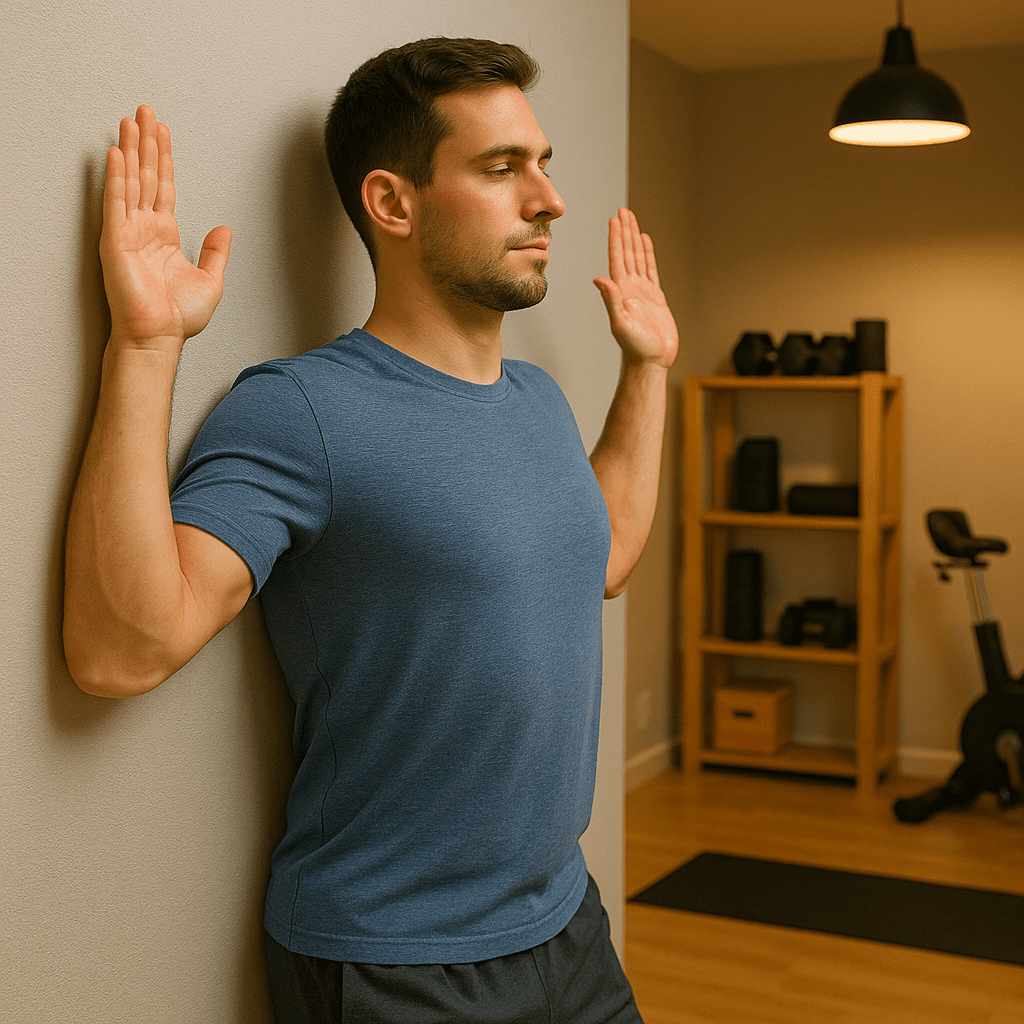
B. Wall Angels (2 sets of 10)
Stand with your back and arms against a wall and glide your arms upward.
One of the best mobility-focused exercises for posture improvement, especially for tech neck and shoulder tightness.
C. Bird-Dog (2 sets of 10 each side)
A powerful core stabilizing exercise that reduces lower-back stress and supports a neutral spine.
5. Mid-Day Brace Check (Optional 10–15 minutes)
If you feel yourself slouching, particularly during long work sessions, this is the best time to apply a brace again.
Recommended:
⭐ FlexGuard Support Back Brace & Posture Corrector
Provides both lumbar support and upper-back alignment—excellent for desk workers and people with mild back strain.
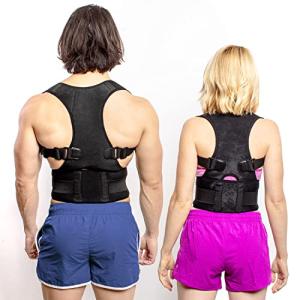
FlexGuard Posture Corrector for Men and Women
Say goodbye to slouching and hello to a confident, upright posture with this comfy and adjustable posture corrector
Product information
$12.53
Product Review Score
4.86 out of 5 stars
214 reviewsProduct links
6. Workstation Reset (2 minutes)
Your environment matters. This quick setup helps maintain good structure:
-
Screen at eye level
-
Hips slightly above knees
-
Feet flat on the floor
-
Keyboard within close reach
-
Sit back in your chair—not on the edge
Small corrections repeated daily are key to your posture improvement plan.
🌙 Evening Routine: Release, Reset & Recover
By evening, your muscles are tired, tight, and more likely to hold your body in poor alignment. This part of your posture improvement plan focuses on recovery.
7. Upper Back Foam Rolling (1–2 minutes)
Foam rolling releases tension around the spine and shoulder blades, improving mobility.
Recommended Tool:
⭐ TriggerPoint GRID Foam Roller
Extremely durable and effective for targeting stiff areas.
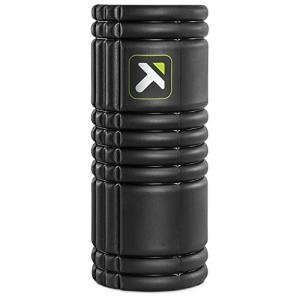
TriggerPoint Grid 1.0 Foam Roller for Muscle Recovery
Experience relief and enhance your muscle recovery with this easy-to-use foam roller
Product information
$39.99 $32.35
Product Review Score
4.45 out of 5 stars
185 reviewsProduct links
8. Chin Tucks (2 sets of 10)
This simple exercise strengthens the deep neck flexors and reduces forward head posture—one of the top issues addressed in any exercise for posture improvement routine.
9. Hip Flexor Stretch (30–45 seconds each side)
Tight hip flexors tilt the pelvis forward, exaggerating the lower back arch and throwing off the entire posture chain. Stretching them restores neutral alignment.
10. Sleeping Posture (avoid nighttime brace use)
Most posture braces are not designed for sleeping. Instead, focus on:
-
Side sleeping with knees bent
-
Pillow between the knees
-
Avoiding stomach sleeping
-
Using a lumbar support pillow if needed
Recommended:
⭐ Contour Legacy Orthopedic Leg & Knee Support Pillow
Provides gentle spinal support for both back and side sleepers.
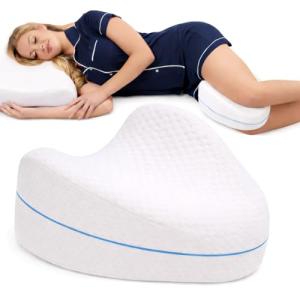
Contour Legacy Knee & Leg Support Pillow
Experience soothing comfort and alignment for better sleep and relief from knee and leg pain
Product information
$10.99
Product Review Score
4.52 out of 5 stars
7 reviewsProduct links
How a Back Brace Helps Your Posture Improvement Plan
While exercise for posture improvement builds the foundation, a posture brace accelerates progress by providing:
✔ Immediate feedback to correct slouching
✔ Support when postural muscles fatigue
✔ Reinforcement of correct shoulder and spine alignment
✔ Short, effective training sessions
✔ Habit-building through consistent reminders
But remember:
A brace enhances your posture improvement plan—it doesn’t replace the exercises.
How Long Until You See Results?
With consistent effort, people often report:
-
Reduced pain in 7–10 days
-
Better posture awareness in 2–3 weeks
-
Visible alignment improvements in 6–10 weeks
Consistency is the true secret weapon.
Long-Term Posture Habits That Make the Biggest Difference
For lasting improvement:
1. Keep screens at eye height.
Avoid looking down at your phone for long periods.
2. Strengthen your posterior chain.
Upper back + glutes + core = posture powerhouse.
3. Take movement breaks every 20–30 minutes.
Motion resets alignment.
4. Choose supportive sitting and sleeping surfaces.
Couches and beds that sink too much increase slouching.
5. Use your brace as a training tool, not a dependency.
Short, consistent sessions yield the best results.
Your Posture Improvement Starts Today
Your posture affects your health, confidence, energy, and movement—yet improving it doesn’t require hours in the gym or expensive treatments. A well-structured posture improvement plan that includes daily mobility, effective exercise for posture improvement, and smart use of a posture-correcting back brace gives you everything you need to transform how you sit, stand, and move.
Small daily habits become long-term change. And your body will thank you every single day.